Guide · 17 min read
Sticking to It: The Ultimate Guide to Glues and Adhesives for Every Project
From the counter at Keys Homecare, Lisburn ·

Welcome to our comprehensive guide to glues and adhesives! Whether you're a DIY enthusiast, a craft lover, or just need to fix something around the house, choosing the right glue can make all the difference. Let's dive into the world of adhesives to help you pick the perfect one for your project.
You can browse our entire range of adhesives, sealants and tapes in the following link: Adhesives, Tapes and sealants at Keys Homecare
PVA Glue: The Crafters' Companion
PVA glue, standing for Polyvinyl Acetate, is a versatile and widely used adhesive in various crafting and woodworking projects. Its popularity stems from its non-toxic nature, making it a safe choice for use even in children's crafts and educational settings. PVA glue is water-based, which means it's easy to clean up with water before it dries, but once set, it forms a strong bond that is clear and durable.
Why PVA Glue is the Crafter's Choice:
- Versatility: PVA glue can adhere to a wide range of materials including paper, wood, fabric, and more. This makes it an indispensable tool in the crafter's kit, suitable for everything from simple paper crafts to more complex woodworking projects.
- Non-Toxicity: Safety is a paramount concern, especially in projects involving children. PVA glue's non-toxic formula ensures that it can be used safely for school projects, homemade toys, and other creative endeavors.
- Ease of Use: Its smooth application and easy clean-up with water make PVA glue a hassle-free option for both beginners and seasoned crafters. The glue dries clear, ensuring a clean, professional finish to crafts and projects.
- Strong Bond: Despite being easy to work with, PVA glue forms a strong bond that holds materials firmly together. This makes it suitable for durable crafts and woodworking projects that require a reliable adhesive.
Common Uses and Applications:
- Paper Crafts: PVA glue is perfect for scrapbooking, card making, and other paper crafts. Its ability to dry clear ensures that the final product is neat and visually appealing.
- Woodworking Projects: From assembling wooden crafts to repairing furniture, PVA glue provides a sturdy bond that can withstand handling and wear.
- Fabric Projects: It can be used in fabric projects for a temporary hold during sewing or a permanent bond in non-washable craft items.
Examples and Recommendations:
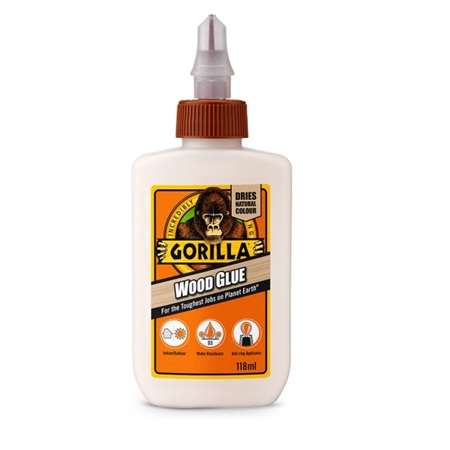
If using for wood, please note that wood glue is actually a strong form of PVA and is your best choice for the strongest bond. Ordinary PVA is more suitable for light jobs like paper or cardboard.
When selecting PVA glue, consider the specific requirements of your project, such as drying time, bond strength, and water resistance. Look for products with detailed descriptions to ensure they match your needs, and don't hesitate to reach out for advice or recommendations to ensure you choose the best product for your crafting or woodworking project.
Buy it here: Wood Glue at Keys Homecare
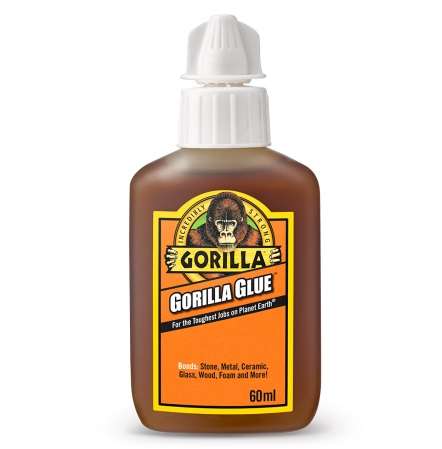
Epoxy: The Strong Bond
Epoxy resin is renowned for its strong bonding capabilities, making it an indispensable tool for both professionals and DIY enthusiasts alike. This two-component system, consisting of a resin and a hardener, is designed to create a durable, high-strength bond upon mixing. Its unique chemical composition allows it to adhere to a wide range of materials, including metals, glass, ceramics, and even some plastics and rubbers.
Why Epoxy is Called the Heavy-Duty Hero:
Versatile Applications: Epoxy's robust nature makes it ideal for heavy-duty repairs where a strong, lasting bond is essential. It's particularly effective for repairing broken chair legs, mending cracks in metal tools, or restoring chipped ceramic dishes.
Gap-Filling Abilities: Unlike many adhesives that require perfect fit surfaces, epoxy can fill gaps, making it perfect for uneven breaks or surfaces that don't align perfectly. This feature is especially useful in woodworking or when repairing larger items like outdoor equipment.
Resistance to Elements: Epoxy stands out for its ability to resist water, chemicals, and extreme temperatures once fully cured. This makes it an excellent choice for outdoor applications, such as creating a waterproof seal on garden decor or boat repairs, where exposure to the elements is a given.
How to Use Epoxy Effectively:
- Surface Preparation: For optimal bonding, ensure that the surfaces to be joined are clean, dry, and free of any grease or oil. Light sanding can improve adhesion by creating a rougher surface for the epoxy to grip.
- Mixing: Epoxy comes in two parts that need to be mixed thoroughly before use. Follow the manufacturer's instructions for the correct ratio and mixing time to ensure the epoxy cures properly.
- Application: Apply the mixed epoxy to one or both surfaces, depending on the instructions. For gap filling, a thicker layer may be necessary. Use within the working time specified by the product.
- Curing: Once applied, the epoxy will need time to cure. This can vary from a few minutes to several hours, depending on the formula. The bond strength will continue to increase as the epoxy fully cures, which can take up to 24 hours or longer.
Practical Examples and Recommendations:
When selecting an epoxy, consider the specific requirements of your project. For instance, some epoxies are formulated for quick repairs with fast curing times, while others may offer higher strength or better resistance to heat and chemicals for more demanding applications.
In our store, you'll find a selection of two-part epoxies suited for various projects. Whether you're looking to repair a cherished ceramic vase, ensure your outdoor furniture withstands the weather, or need a reliable adhesive for automotive repairs, there's an epoxy product designed to meet your needs.
Epoxy resin's unparalleled strength, durability, and versatility make it a go-to solution for a wide array of repair and fabrication tasks. By understanding how to properly prepare, mix, and apply epoxy, you can achieve professional-grade results in your repairs and projects.
Browse our range here: Epoxy Resin at Keys Homecare

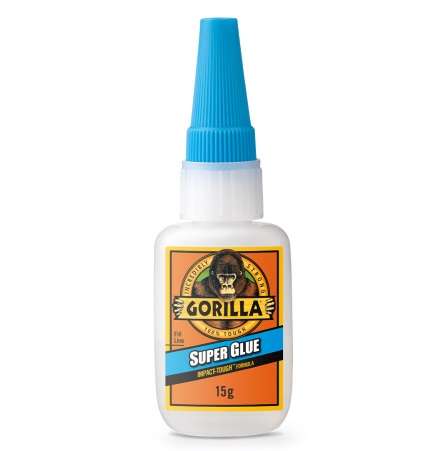
Cyanoacrylate (Super Glue): Quick Fix Specialist
Cyanoacrylate, commonly known as super glue, is a fast-acting adhesive known for its strength and versatility. Its rapid bonding ability makes it a favorite for quick repairs across a variety of materials, including plastics, metals, and rubber. Here's a deeper look into why super glue has become a staple in both households and professional settings.
Why Cyanoacrylate is Quick and Mighty:
Instant Repairs: One of the most significant advantages of super glue is its quick-setting time. It can bond surfaces within seconds, making it ideal for fast-paced environments and emergency repairs where time is of the essence.
Strong Bond: Despite the rapid curing time, super glue forms a very strong bond, capable of holding significant weight relative to its application size. This makes it suitable for repairing items that will undergo daily use and wear, such as toys and footwear.
Versatility: Super glue can be used on a wide range of non-porous materials, offering flexibility for various repair needs. It's particularly effective on hard-to-bond surfaces, where other adhesives might fail.
Applications and Tips for Using Super Glue:
- Broken Toys and Household Items: Super glue can quickly fix broken plastic parts, ensuring toys and household items are back in action in no time.
- Jewelry and Craft Projects: Its precision applicator allows for detailed work, making super glue ideal for jewelry repairs and craft projects that require a delicate touch.
Best Practices for Applying Super Glue:
- Surface Preparation: Clean and dry the surfaces to be bonded. Any oil, dirt, or moisture can affect the strength of the bond.
- Application: Apply a small amount of glue; a little goes a long way. Super glue is designed to work with just a thin layer between surfaces.
- Pressure: After applying the glue, press the surfaces together firmly for about 10-30 seconds. For some materials, bonding may take a bit longer.
- Safety Precautions: Be careful to avoid skin contact, as super glue bonds to skin instantly. Use in a well-ventilated area to avoid inhalation of fumes.
Choosing the Right Super Glue:
When browsing our selection of super glues, consider the specific needs of your repair. Some formulas are designed for extra flexibility, while others are made to withstand higher temperatures or offer water resistance. Look for features that match your project requirements to ensure the best outcome. Please don't hesistate to get in touch with any queries you may have.
Browse our range here: Super glue at Keys Homecare
Polyurethane Glue: The Versatile Warrior
Polyurethane glue is a versatile adhesive that has gained popularity for its strong bonding capability and durability in various conditions. Its unique chemical composition makes it an excellent choice for projects involving multiple types of materials, including wood, plastic, metal, and more. Here's a deeper dive into the properties and uses of polyurethane glue that make it the "All-Rounder" of adhesives.
Why Polyurethane Glue Stands Out:
Waterproof: One of the standout features of polyurethane glue is its waterproof properties. Once cured, it forms a bond that is resistant to water, making it ideal for outdoor projects or items that may be exposed to moisture.
Versatile Material Compatibility: Whether you're working with wood, metal, ceramics, or most plastics, polyurethane glue can handle it. This makes it incredibly useful for projects that involve bonding different types of materials together.
Flexibility: Unlike some adhesives that become rigid and brittle, cured polyurethane glue retains a degree of flexibility. This characteristic allows it to absorb impacts and stresses without cracking, which is particularly beneficial for items that undergo regular use or movement.
Gap Filling: Polyurethane glue expands as it cures, enabling it to fill in gaps between bonded surfaces. This feature is helpful in woodworking and repair tasks where the joining surfaces are not perfectly flush or smooth.
Applications and Usage Tips:
- Outdoor Furniture Repairs: From fixing a loose chair leg to mending a cracked garden table, polyurethane glue can restore your outdoor furniture to its former strength and functionality, ready to withstand the elements.
- Decorative Projects: If you're securing outdoor decorations or creating mixed-material art pieces, polyurethane glue provides a reliable bond that won't weaken under outdoor conditions.
- Bonding Diverse Materials: For DIY projects that require joining metal to wood or plastic to ceramic, polyurethane glue offers a cohesive solution without the need for multiple different adhesives.
How to Use Polyurethane Glue Effectively:
- Surface Preparation: Ensure that the surfaces to be glued are clean and slightly moistened. The presence of moisture actually helps polyurethane glue to cure.
- Application: Apply glue sparingly, as it will expand. Spread it evenly across one of the surfaces to be bonded.
- Clamping: After joining the pieces, clamp them together tightly. Polyurethane glue requires pressure to form a strong bond as it cures.
- Curing Time: Allow adequate time for the glue to cure fully. While it might feel set after a few hours, achieving maximum strength can take 24 hours or more, depending on the product.
Selecting the Right Polyurethane Glue:
When choosing polyurethane glue for your project, consider the specific requirements such as open time (the time you have to work with the glue before it starts to set), cure time, and the degree of expansion. Products may vary in these properties, so selecting one that aligns with your project needs will ensure the best results. Please don't hesitate to get in touch if you have any queries!
Browse our range here: Polyurethane Glue at Keys Homecare
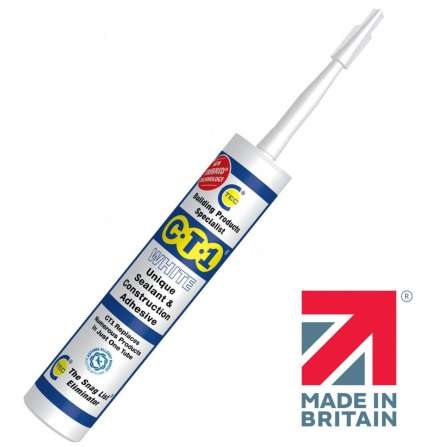
Silicone Adhesives: The Sealant Hero
Silicone adhesives stand out due to their remarkable versatility, durability, and resistance to extreme conditions. These qualities make them an ideal choice for applications requiring waterproof seals and flexibility, especially in environments like kitchens and bathrooms where moisture and temperature fluctuations are common. Below, we explore the unique properties of silicone adhesives and their practical uses in more detail.
Key Characteristics of Silicone Adhesives:
Waterproof Nature: Silicone adhesives are inherently waterproof, making them perfect for sealing applications in wet areas. Once cured, they form a watertight seal that prevents water from penetrating through joints or gaps.
Flexibility: Unlike some rigid adhesives, silicone maintains its elasticity and flexibility after curing. This characteristic is crucial in applications where the bonded materials might expand or contract due to temperature changes, as it prevents the seal from cracking or breaking.
Heat Resistance: Silicone adhesives can withstand extreme temperatures, both hot and cold, without degrading. This makes them suitable for areas near stoves, ovens, or in direct sunlight.
Chemical Resistance: They are also resistant to chemicals, making them ideal for areas that may be exposed to cleaning agents, oils, or other substances that could break down other types of adhesives.
Practical Applications:
- Sealing Around Sinks and Bathtubs: Silicone sealant is commonly used to seal the gaps between sinks, bathtubs, and the surrounding countertops or walls. This seal prevents water from seeping behind the fixtures and causing damage to the structure or mold growth.
- Window Sealing: Applying silicone adhesive around windows can prevent drafts and water infiltration, improving energy efficiency and preventing moisture-related issues.
- Aquarium Assembly: The waterproof and non-toxic properties of silicone adhesives make them safe for use in assembling or repairing aquariums, ensuring a secure, leak-proof environment for aquatic life.
- Kitchen Backsplashes: Silicone can be used to seal the joints between backsplash tiles and countertops or around appliances, protecting against water damage and making cleaning easier.
Tips for Using Silicone Adhesives:
- Surface Preparation: Clean and dry all surfaces before application to ensure the silicone adheres properly.
- Application: Cut the tip of the silicone sealant tube to match the size of the gap you're filling. Apply smoothly and evenly, using a caulking gun for better control.
- Smoothing: Wet your finger or a caulking tool and smooth the silicone bead to ensure a clean, professional finish. This also helps the silicone bond more effectively to the surface.
- Curing Time: Allow the silicone adhesive to cure fully before exposing the area to water. Curing times can vary, so refer to the product's instructions for specific guidance.
Silicone adhesives' unique combination of waterproofing, flexibility, and resistance to extreme conditions make them indispensable for a wide range of applications, particularly in settings where durability and longevity are paramount. By selecting the right silicone product for your project and following best practices for application, you can achieve long-lasting, professional-grade results.
Browse our range here: Silicone Adhesives at Keys Homecare

Hot Glue: The Crafter's Quick Fix
Hot glue, dispensed from a hot glue gun, is a thermoplastic adhesive that becomes fluid when heated and quickly solidifies upon cooling, offering a fast and versatile method of bonding materials. This unique property makes hot glue particularly useful for a wide array of applications, ranging from craft projects to more functional uses around the home.
Why Hot Glue is Called "The Fast Fixer":
Rapid Setting: Hot glue cools and sets within seconds to minutes, depending on the material and the amount of glue applied. This quick setting time allows for fast progress on projects without long waiting periods for the adhesive to dry or cure.
Wide Range of Uses: It's compatible with many materials, including wood, plastic, fabric, and ceramics. This makes it a go-to solution for various projects, including crafting, decoration, and minor repairs.
Easy to Use: Hot glue guns are straightforward to operate. Once the glue stick is loaded and the gun is preheated, you can precisely apply the glue where needed. The simplicity of use makes it accessible for crafters and DIYers of all skill levels.
Applications and Usage Tips:
- Crafts and Decorations: Hot glue is ideal for assembling decorative items, from costume making to creating holiday ornaments. Its fast bonding time allows for the quick addition of embellishments and other decorative elements.
- Fabric Applications: While not always washable, hot glue provides a temporary or semi-permanent bond on fabrics, useful for costume design, fabric crafts, or attaching patches.
- Temporary Holds: For projects requiring a temporary bond or for positioning items before final assembly with more permanent methods, hot glue offers an easily reversible solution.
Best Practices for Using Hot Glue:
- Preparation: Ensure the surfaces to be bonded are clean and dry. Although hot glue sticks to a variety of surfaces, its adhesion is best on clean materials.
- Temperature Settings: Use the appropriate temperature setting for your glue gun, based on the material. Lower temperatures are suitable for delicate materials that might warp or melt, while higher temperatures provide stronger bonds on tougher materials.
- Application: Apply the glue carefully to one surface, then quickly press the two surfaces together. Be mindful of the hot glue's temperature to avoid burns.
- Cooling Time: Allow the glue to cool and solidify completely before handling the bonded items. While hot glue sets quickly, giving it a few extra minutes ensures a strong bond.
Hot glue guns and sticks come in various sizes, suitable for different project scales—from fine detail work using mini glue guns to larger applications with full-size guns. By selecting the right hot glue gun and glue stick type for your project, you can achieve effective, efficient results for both creative and practical tasks.
Browse our range here: Hot Glue at Keys Homecare

Contact Cement: Instant Contact, Instant Hold
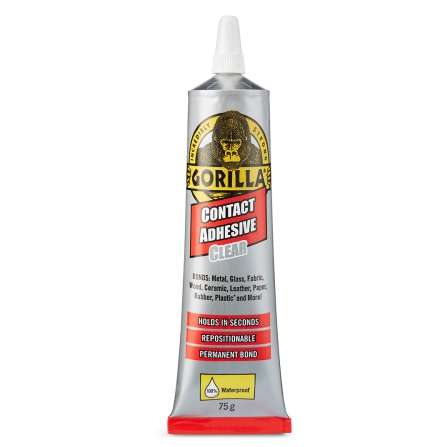
Contact cement, also known as contact adhesive, is a unique type of glue distinct for its method of application and the strength of the bond it creates. Unlike traditional adhesives that are applied and then immediately joined together, contact cement is applied to both surfaces to be bonded, allowed to dry briefly, and then pressed together. The bond forms instantly, making it an invaluable tool for projects requiring immediate and durable adhesion.
Key Features of Contact Cement:
Instant Bonding: Once the two surfaces coated with contact cement are pressed together, the bond forms immediately. There's no need for clamping or long curing times, making it ideal for projects that require rapid progression.
High Strength: Contact cement creates a durable and strong bond that is resistant to water and heat, making it suitable for a wide range of indoor and outdoor applications.
Versatility: It works effectively on a variety of materials, including but not limited to veneers, laminates, rubber, leather, and some plastics. This makes it particularly useful for home renovation projects and crafting.
Practical Applications:
- Veneers and Laminates: Contact cement is widely used in the woodworking and furniture making industries for attaching thin veneers or laminates to substrates, creating a smooth, permanent bond without the risk of the adhesive seeping through and causing damage.
- Flooring: For installing linoleum or rubber floor tiles, contact cement ensures that the tiles stay in place, providing a secure bond that withstands foot traffic and environmental changes.
- Automotive and Marine Repairs: Its resistance to heat and moisture makes contact cement an excellent choice for automotive upholstery and marine applications, where materials are often exposed to challenging conditions.
- Loose Shoe Soles: Another common use for contact adhesive is in repairing footwear. It can reattach loose soles, extending the life of your favorite pair of shoes and remaining flexible when cured.
Tips for Using Contact Cement:
- Surface Preparation: Both surfaces should be clean and dry before application. For the best results, roughen smooth surfaces with sandpaper to increase adhesive contact.
- Application: Apply a thin, even layer of contact cement to both surfaces with a brush or roller. Avoid thick applications, as this can weaken the bond.
- Drying Time: Allow the adhesive to dry until it's tacky but does not stick to the touch, typically 15-20 minutes, depending on the environmental conditions and the specific product used.
- Joining: Carefully align the surfaces and press them together from one edge to the other to avoid air bubbles. Once the surfaces touch, the bond is permanent, so accurate alignment is crucial.
- Cleanup: Use a solvent recommended by the adhesive manufacturer to clean up any excess glue while it's still wet. Once dried, contact cement is very difficult to remove.
Contact cement's unique properties make it an essential adhesive for situations where a quick, strong bond is needed between two surfaces. Its immediate adhesion and durability ensure that projects not only progress quickly but also last long after the glue has set.
Browse our range here: Contact adhesive at Keys Homecare
Construction Adhesives: The Builder's Choice
Construction adhesives are powerful, specially formulated glues designed to bond building materials in both indoor and outdoor construction projects. Their formulation is engineered to provide durable, long-lasting adhesion for a variety of heavy materials, such as wood, stone, concrete, metal, and more. This versatility makes them an indispensable tool in the construction industry, as well as for home DIY projects.
Why Construction Adhesives Are Essential:
Versatile Bonding: These adhesives can bond a wide array of materials, making them perfect for complex construction projects involving multiple types of substrates. Whether you're working with porous materials like concrete or smooth surfaces like metal, there's a construction adhesive formulated for the task.
Durability: Formulated to withstand extreme conditions, including fluctuations in temperature, moisture, and UV exposure, construction adhesives ensure that bonded materials stay together over time. This resilience is crucial for outdoor applications and areas exposed to the elements.
Load-Bearing Capacity: Unlike standard adhesives, construction adhesives are designed to support heavy loads, making them ideal for structural projects where strength and safety are paramount.
Common Uses and Applications:
- Paneling and Stone Veneers: For attaching decorative stone veneers or paneling to walls, construction adhesives provide a secure bond that supports the weight of the materials without the need for extensive drilling or nailing.
- Flooring: They are used to install subfloors, tile, and outdoor decking, offering a firm foundation that resists shifting and wear over time.
- Custom Furniture: In custom furniture making, construction adhesives can be used to join heavy wood pieces securely, creating unique pieces that are both aesthetically pleasing and structurally sound.
Tips for Using Construction Adhesives:
- Surface Preparation: Clean and dry surfaces ensure the best adhesion. Remove any dust, grease, or loose particles before application.
- Application: Follow the manufacturer's instructions for application, which typically involves applying a bead of adhesive to one surface and pressing the two surfaces together. Some applications may require the adhesive to be spread with a notched trowel.
- Curing Time: Allow sufficient time for the adhesive to cure fully. While some adhesives set in a few hours, achieving maximum bond strength can take longer, often up to 24 hours or more.
- Safety: Use in well-ventilated areas and wear appropriate protective gear, such as gloves and eye protection, to avoid skin and eye contact.
Construction adhesives are a critical component in building and renovation projects, offering a combination of strength, versatility, and durability that traditional fastening methods cannot match. By selecting the right adhesive for your material and application, you can ensure that your construction projects are built to last.
Browse our range here: Constuction Adhesive at Keys Homecare